Grapes of New Hope continues to implement vocational and digital skills training programs for refugee and host community youth in Nakivale Refugee Settlement. The ongoing Computer and Digital Literacy Training is designed to strengthen participants’ technical competencies, enhance employability, and promote long-term socio-economic resilience.
The training initiative aims to equip beneficiaries with practical digital skills that will enable them to access livelihood opportunities, participate in the digital economy, and pursue self-employment pathways. In addition to computer training, Grapes of New Hope is providing vocational skills development in Bakery and Tailoring, offering participants diversified income-generating opportunities based on local market demands.
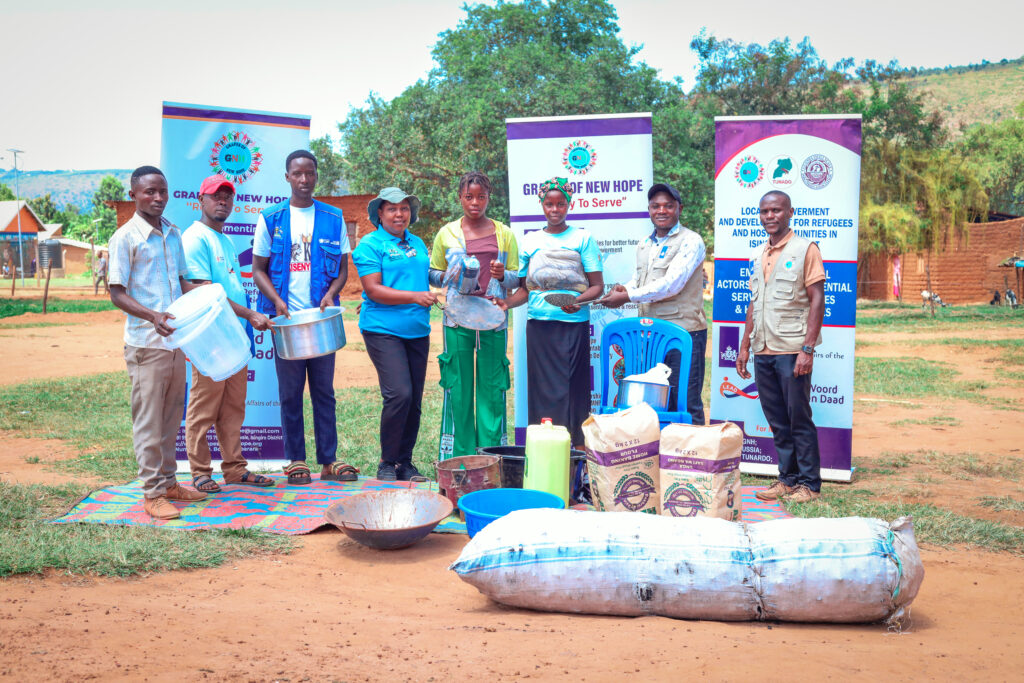
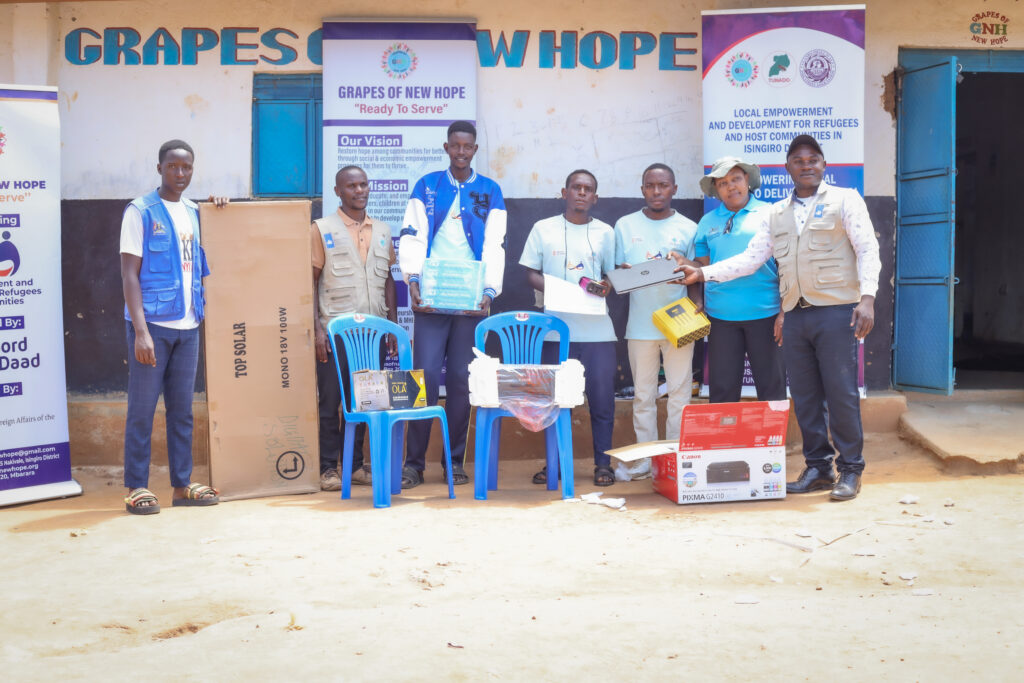
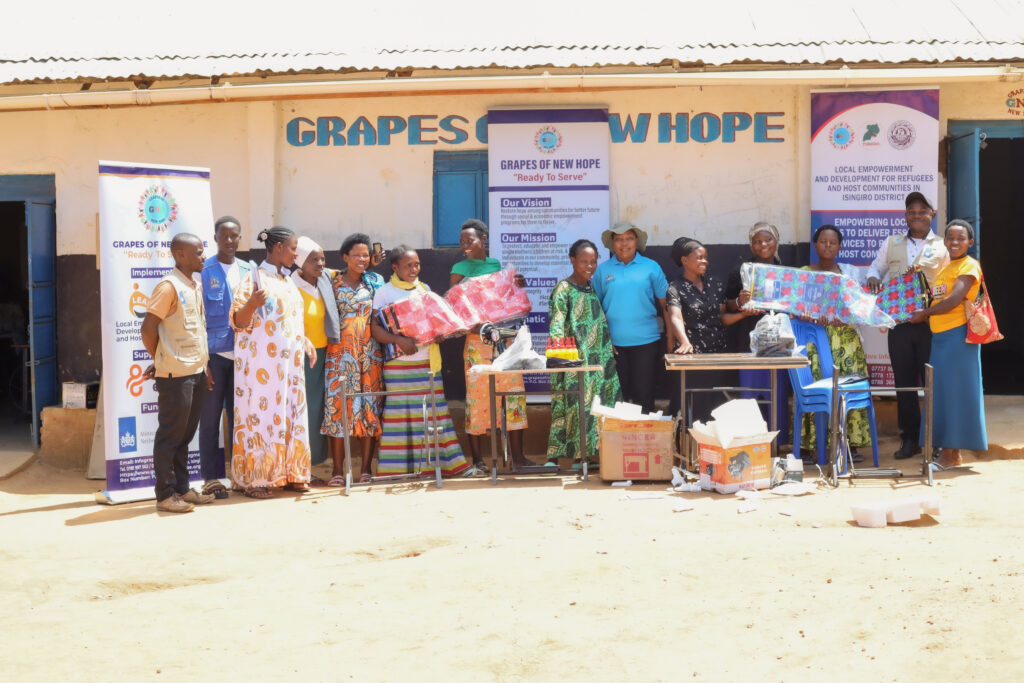
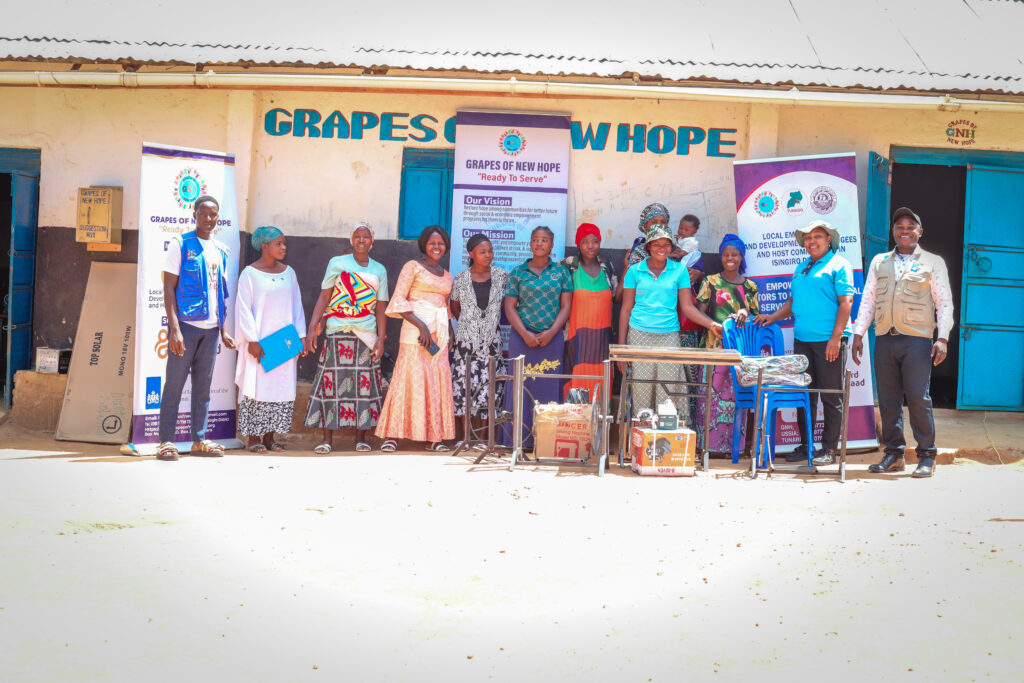
As part of our sustainable livelihoods approach, the project goes beyond skills acquisition by preparing beneficiaries for economic independence and self-reliance. Upon successful completion of the training programs, Grapes of New Hope plans to provide startup kits and essential business tools to selected graduates. These startup packages will facilitate the transition from training to enterprise creation, enabling participants to establish micro-businesses, generate household income, and reduce dependence on humanitarian assistance.
The intervention contributes to improved livelihood outcomes, economic empowerment, and community resilience among vulnerable populations. It aligns with broader objectives of promoting sustainable development, social inclusion, and durable solutions for displaced and marginalized communities.
This initiative is being implemented in partnership with Woord en Daad under the LEAD Uganda Project, with full financial support from the Ministry of Foreign Affairs of Netherlands. Through this collaboration, we are investing in human capital development and creating pathways toward sustainable livelihoods, economic self-sufficiency, and dignified futures for refugees and host communities.